How Rodent Infestations Spread Disease Inside Residential Properties
To prevent disease spread inside homes, local contractors can effectively remove rodent infestations and eliminate the sources of contamination.
Understanding how rodent infestations spread disease inside residential properties is essential for homeowners concerned about health and safety. Rodents carry a variety of harmful pathogens that can contaminate surfaces, food, and water sources within the home. Their ability to transmit illnesses like hantavirus, salmonella, and leptospirosis makes it crucial to address infestations promptly. Property owners in the area might explore this topic to better recognize the risks associated with rodent activity and to learn about effective removal methods that can help safeguard their living spaces.
Local contractors specializing in rodent infestation removal offer practical solutions to mitigate these health risks. They can identify entry points, eliminate existing rodents, and implement preventive measures to reduce the chance of future infestations. By working with experienced service providers, homeowners can ensure that their properties are thoroughly cleaned and protected from the potential spread of disease. Continuing to explore this subject can help residents make informed decisions about pest control and maintain a healthier, safer home environment.
- Rodent infestation removal services are essential when residents notice rodent droppings or signs of entry, as local contractors can identify and eliminate nesting sites that contribute to disease spread.
- These services are needed if rodents are suspected to be contaminating food areas or storage spaces, with service providers implementing targeted removal and sanitation measures.
- When rodents are found in hidden or hard-to-reach places, local pros utilize specialized techniques to safely remove pests and prevent the transmission of pathogens.
- In cases where a property has experienced multiple rodent sightings, expert removal can help address the infestation and reduce the risk of disease transmission inside the home.
- If there is a concern about potential health hazards from rodent droppings or urine, local contractors can perform thorough cleanup and exclusion work to minimize disease spread.
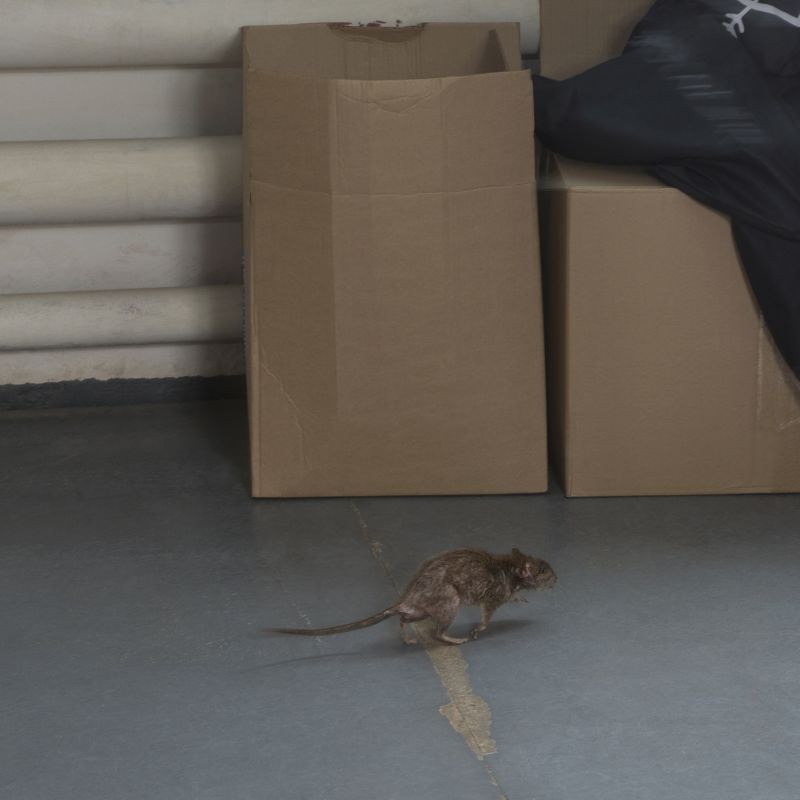
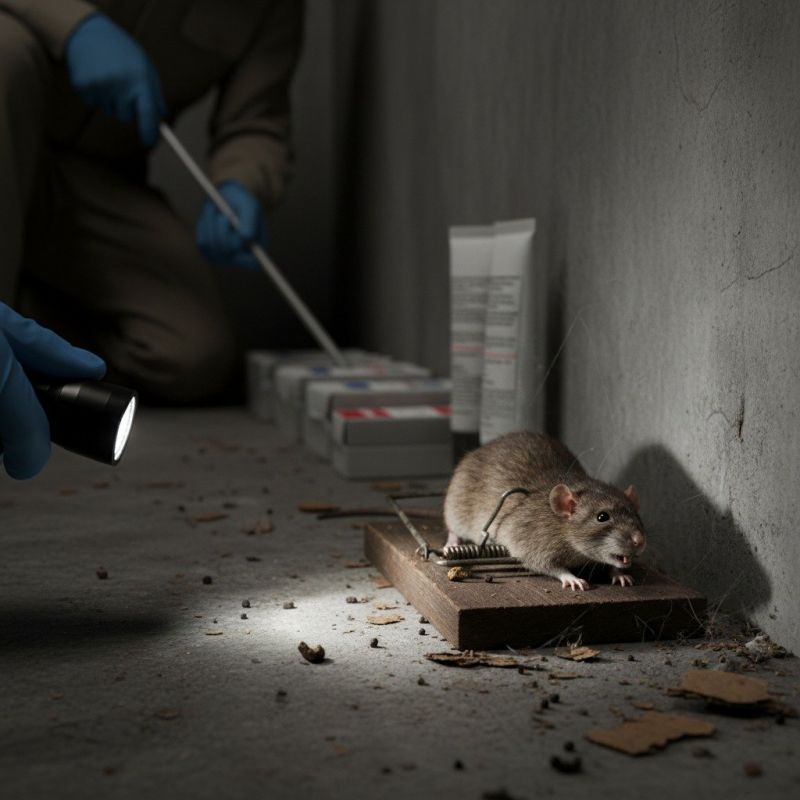

When people search for information about how rodent infestations spread disease inside residential properties, they are often concerned about the health risks associated with these pests. They may have noticed signs of rodents, such as droppings, gnaw marks, or unusual odors, and want to understand how these animals can transmit illnesses to people and their families. This topic is closely linked to worries about cleanliness, safety, and the potential impact on household members, especially children or individuals with weakened immune systems. Homeowners are typically looking for practical guidance on how to prevent or address infestations to protect their living spaces from health hazards.
This subject also relates to broader problems and plans involving pest control and property maintenance. Many homeowners seek solutions to eliminate rodents and prevent future invasions, especially after discovering signs of infestation. They may be planning to improve sanitation, seal entry points, or implement ongoing pest management strategies. The goal is to reduce the risk of disease transmission and create a safer, healthier environment inside the home. Local contractors specializing in rodent infestation removal play a key role in these efforts, offering professional services that target the root causes of infestations and help prevent the spread of disease.
The types of properties most commonly affected by rodent infestations include single-family homes, multi-unit apartment complexes, and townhouses. These residential properties often have accessible entry points like gaps around doors, vents, or foundation cracks that allow rodents to enter. Attics, basements, and wall cavities can provide ideal nesting sites for rodents, making it easier for them to establish themselves and spread disease within the home. Homeowners with cluttered or overgrown yards may also be more vulnerable, as these conditions can attract rodents and facilitate their movement around the property. Local service providers are well-equipped to assess these environments and recommend effective removal and prevention strategies.
Understanding how rodent infestations spread disease inside residential properties helps homeowners recognize the importance of prompt action and professional intervention. Rodents carry various pathogens that can contaminate surfaces, food, and water sources, increasing the risk of illnesses such as hantavirus, salmonella, and leptospirosis. Local pros who specialize in rodent infestation removal are trained to identify infestation signs, eliminate pests safely, and implement measures to prevent re-infestation. Connecting with these service providers can be a crucial step toward safeguarding a home’s interior environment, reducing health risks, and maintaining a clean, safe living space for everyone.
Wildlife Removal Services - professionals who handle the removal of rodents and other pests can also address how rodent infestations spread disease inside residential properties by eliminating access points and nesting areas.
Sanitation and Debris Cleanup - local contractors specializing in sanitation can help reduce the risk of disease transmission by properly cleaning and disinfecting areas affected by rodent activity.
Home Inspection and Pest Prevention - inspectors and pest prevention experts assess property vulnerabilities that allow rodent infestations to occur and spread disease inside homes.
Structural Repair Services - contractors who perform home repairs can seal entry points and reinforce structures to prevent rodents from spreading disease inside residential properties.
Rodent Proofing Solutions - specialists in rodent-proofing focus on blocking pathways that enable rodents to enter and spread disease within homes.
Hazardous Waste Removal - service providers who handle hazardous waste are equipped to safely remove contaminated materials resulting from rodent infestations, reducing disease spread risks.
When comparing service providers for rodent infestation removal, it is important to consider their experience handling similar projects. Homeowners should inquire about the types of properties they have worked on and their familiarity with the specific challenges posed by rodents spreading disease inside residential properties. An experienced contractor will typically have a track record of effectively addressing infestations and reducing health risks, which can provide peace of mind that the problem will be managed thoroughly and safely.
Clear written expectations are essential when evaluating local contractors. Homeowners should seek detailed descriptions of the scope of work, including inspection procedures, removal methods, and follow-up measures. Having a well-defined plan helps ensure that both parties understand the process and what is involved in preventing future infestations. This clarity can also help avoid misunderstandings and ensure that the service provider’s approach aligns with the homeowner’s concerns about disease transmission and overall property health.
Reputable references and good communication are key indicators of a reliable service provider. Homeowners are encouraged to ask for references from previous clients, especially those who had similar rodent issues, to gauge the quality of work and customer satisfaction. Additionally, responsive and transparent communication from the contractor can make the entire process smoother, allowing homeowners to ask questions, express concerns, and stay informed about the progress. Choosing a provider with a solid reputation and clear, ongoing communication can be instrumental in effectively managing the risks associated with rodent-borne diseases inside residential properties.
Property owners often search for how rodent infestations spread disease inside residential properties when they are planning practical projects around their homes and businesses. Local pros provide Rodent Infestation Removal services for everyday jobs and straightforward project options.

Understanding how rodent infestations spread disease inside residential properties is essential for property owners concerned about health risks. Common situations like cluttered basements, open food storage, or gaps around pipes and vents can provide easy entry points and nesting sites for rodents. Once inside, these pests can contaminate surfaces, food supplies, and even bedding with bacteria, viruses, and parasites, increasing the risk of illness for household members. Local contractors who specialize in rodent infestation removal can assess these vulnerabilities and implement effective strategies to eliminate the problem, helping to reduce the potential for disease transmission within the home.
Property owners often seek rodent removal services after noticing signs such as droppings, gnawed wires, or strange odors, especially when these issues occur in areas where food is stored or prepared. Simple reasons for looking into professional help include preventing further infestation, protecting family health, and avoiding damage to property. Local service providers can help identify entry points, remove rodents safely, and recommend measures to prevent future invasions, ensuring that homes remain healthier and more secure from the risks associated with rodent-borne diseases.
How do rodents spread disease inside residential properties? Rodents can transmit diseases through their droppings, urine, and saliva, contaminating surfaces, food, and water sources within homes. Local contractors specializing in rodent removal can help eliminate infestations and reduce health risks.
What health risks are associated with rodent infestations? Rodent infestations can lead to the spread of illnesses such as hantavirus, salmonella, and leptospirosis, which can affect residents' health. Professional removal services can help prevent these health hazards by controlling rodent populations.
How can rodents contaminate indoor environments? Rodents often leave droppings and urine in areas where they nest or travel, contaminating food, kitchen surfaces, and bedding. Local pest control providers can identify and eliminate contamination sources to improve indoor safety.
Why is it important to address rodent infestations promptly? Prompt removal prevents the spread of disease-causing pathogens and reduces the risk of long-term health issues. Experienced service providers can effectively remove rodents and sanitize affected areas.
What methods do local contractors use to prevent disease spread from rodents? They typically use trapping, exclusion, and sanitation techniques to remove rodents and eliminate entry points, helping to minimize the risk of disease transmission inside homes.
Identify entry points - property owners can work with local contractors to locate and seal gaps or holes where rodents may enter, preventing the spread of disease inside the home.
Remove nesting sites - eliminating clutter and potential nesting areas with the help of local pros reduces places where rodents can harbor and transfer pathogens.
Implement sanitation measures - maintaining clean and clutter-free environments can be supported by local service providers to minimize food sources and reduce disease risk.
Schedule regular inspections - routine assessments by local contractors help detect early signs of infestation and prevent the spread of disease inside residential properties.
If you are thinking about how rodent infestations spread disease inside residential properties for a property, this guide is meant to help you understand this topic, the typical project types, and how different options might fit your plans.
When you are ready, you can use the quote form on this page to share a few details about your project. From there, local pros can review the basics and follow up with options that match what you have in mind.